
“A new web and mobile platform plans to simplify our online lives by providing users access to all of their accounts in one place. Squidlle will integrate dozens of social networks and sites for music, video, images, design and blogging and create one combined feed for all of them. The product-whose odd name we assume was created with an algorithmic name generator-just launched on Indiegogo.”
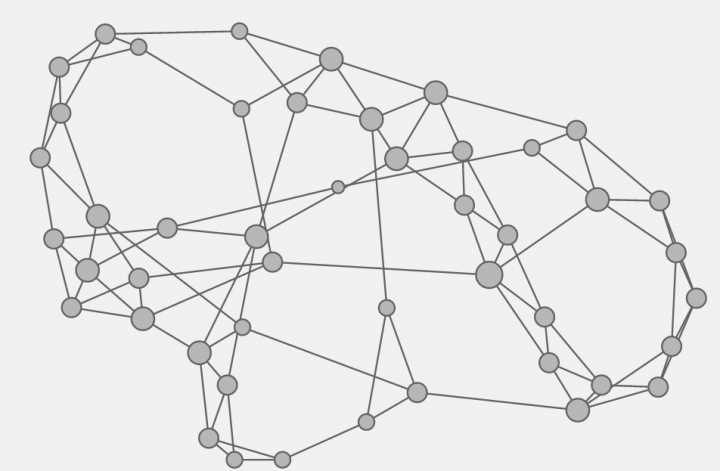
This new app could provide interesting research opportunities for looking at the networks of Social Network Sites. Think of each SNS as a node and the connections (direct or indirect links) as edges.
“Users will be able to browse updates from various accounts on one combined feed, post and message across all of their accounts at once and even use multiple accounts from the same service (like personal and professional Twitter handles). They’ll also be able to hide specific content, save posts or links as “read later,” create lists, save drafts and customize notifications.”









 A study from Queensland University of Technology in Australia, examining more than 3,000 One-Day International matches from 1971-2014, found that cricket batsmen who were close to reaching personal milestones were less likely to be dismissed by their captain. That is, if a cricket captain is thinking about possibly declaring (ending his team’s batting to avoid a draw if time expires), he may decide to wait a bit more if one of the batsmen is close to a landmark (scoring 50, 100 or 200). For instance, if a batsman has a score of 90, not declaring will provide the chance for this batsman to score a “century,” but also wastes time if his team is sufficiently ahead in runs. This strategy at first sight, seems detrimental to the team because the decision to declare an innings should be entirely determined by the team’s overall score or the field conditions, not by its individual batsmen’s score. However, the authors suggest that this balance by captains could be done as a form of social-exchange, where the captain hopes the risk in allowing a player to reach a strictly personal goal is repaid by a higher level of overall performance by not only that player, but other players in the team who appreciate the captain’s gesture. This research highlights the complexities of how leaders must manage both an individual’s and the team’s goals, and how the two may interact to influence team performance.
 “The world is going to teamwork. In the 1950s, about half of our work was done in teams. Today, by one measure, it’s more like 90 percent. Maybe it’s at the office. Maybe it’s on Google Hangout. Maybe it’s at the PTA. But what makes a good team? A smart team? It’s not just a bunch of smart people, says a big new study. It’s a crew that shares the floor, the talking time, it claims. It’s a team that has high social sensitivity. And it’s often, it says, a team with more women. We need a cultural revolution, they say, to optimize our teams. This hour On Point: Are you onboard? We’re talking teamwork.” -Tom Ashbrook